Every dog owner wants to keep their pet healthy, happy, and hydrated. One of the simplest and most critical ways to do this is by ensuring your furry friend always has access to clean, fresh water. The cornerstone of this daily routine? The humble dog drinking bowl. While it’s easy to overlook which bowl you use, the right choice can directly impact your dog’s health, comfort, and even their daily habits.
In this extensive guide, you’ll discover everything you need to know about dog drinking bowl from material selection and special features to innovative designs, cleaning practices, and solutions for every household.
Why the Dog Drinking Bowl Matters
Water is essential to your dog’s wellbeing. Proper hydration helps maintain temperature, supports metabolism, flushes toxins, and fuels all vital body functions. A high-quality dog drinking bowl ensures your dog can drink comfortably and safely anytime, making water more appealing and accessible.
What’s more, the right bowl prevents the spread of bacteria, fits your dog’s size and lifestyle, reduces spills, and complements your home’s aesthetics. As simple as it seems, your choice of drinking vessel isn’t trivial—it’s an everyday investment in your dog’s health.
Types of Dog Drinking Bowls
With countless options available, choosing the perfect dog drinking bowl can feel overwhelming. Let’s break down the most popular types on the market:
See also: Why Every Home Needs a Rug Steamer for Spotless Floors
1. Standard Bowls
The classic dish—made of plastic, stainless steel, ceramic, or silicone. Available in various sizes and colors.
Pros: Simple, inexpensive, easy to clean
Cons: May spill, tip, or be unsuitable for heavy chewers
2. Non-Spill Bowls
Designed with lips, ridges, or weighted bases to prevent water from sloshing during enthusiastic drinking or car rides.
Pros: Minimizes mess, great for travel
Cons: Sometimes harder for puppies or small dogs to use
3. Elevated Bowls
Bowls mounted on stands, raising them off the ground—ideal for larger breeds, seniors, or pets with neck/joint pain.
Pros: Promotes healthier posture, easier access
Cons: Some dogs may need training to switch from floor bowls
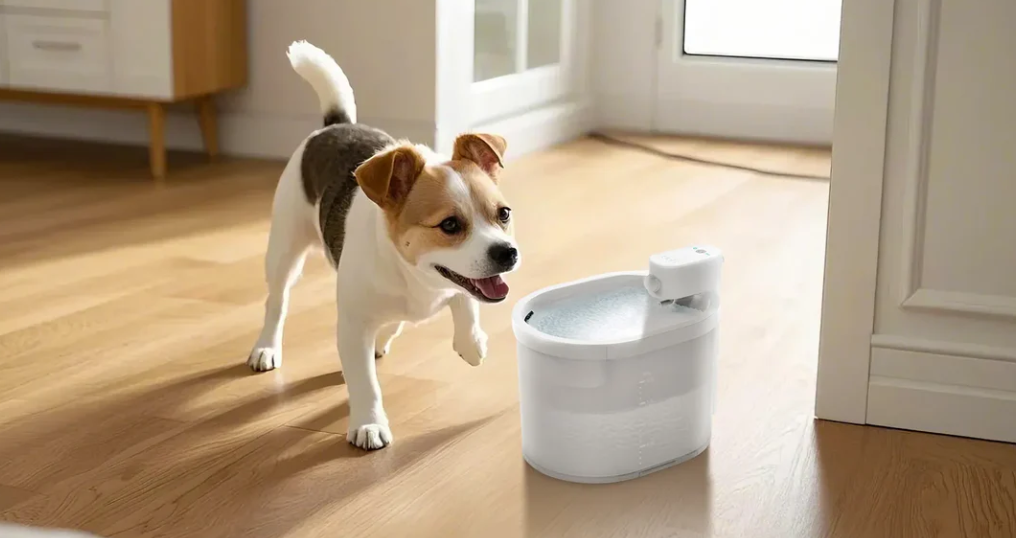
4. Automatic Water Dispensers and Fountains
Electronic bowls that recirculate, filter, and dispense water. Keep water fresher and encourage picky drinkers.
Pros: Always fresh, filters debris, less refilling
Cons: Requires electricity, frequent cleaning, higher cost
5. Travel and Collapsible Bowls
Lightweight, foldable silicone or fabric bowls. Perfect for walks, hikes, and vacations.
Pros: Portable, easy to store
Cons: Sometimes limited capacity, less sturdy
6. Slow-Flow Bowls
Bowls with a built-in maze or floating disk slow down drinking for dogs prone to gulping too much water at once.
Pros: Prevents choking/bloat, supports digestion
Cons: May frustrate some dogs
Materials: Pros and Cons
The dog drinking bowl material you choose impacts durability, hygiene, and your pet’s safety. Here’s what you need to know:
1. Stainless Steel
Pros: Non-porous, resists bacteria, dishwasher safe, scratch/fade proof, extremely durable
Cons: Can slide on floors (unless rubberized), can be noisy
2. Ceramic
Pros: Heavy/stable, stylish, easy to clean, won’t alter taste of water
Cons: Can chip/crack, needs to be lead-free and food-safe, heavier to move
3. Plastic
Pros: Cheap, lightweight, colorful, many shapes
Cons: May harbor bacteria in scratches, can absorb odors, may contain harmful chemicals if not labeled food-grade
4. Silicone
Pros: Thin, flexible, often collapsible, great for travel
Cons: Not for everyday use, limited capacity and shape options
Key Features to Look For in a Dog Drinking Bowl
To find the best bowl for your dog’s daily hydration, consider these must-have features:
- Appropriate Size: Should hold enough water for your breed—puppies and toy breeds need shallow, small bowls; large breeds need deep, wide dishes.
- Stability: Non-skid bases, weighted bottoms, or bowl stands prevent tipping and sliding.
- Dishwasher Safe: Easy cleaning ensures your dog’s bowl doesn’t harbor bacteria.
- No Sharp Edges: Rounded rims protect sensitive noses and tongues.
- Ease of Access: Low-profile bowls for small, old, or disabled pets; elevated bowls for giant breeds.
- Safe Materials: Always BPA-free, phthalate-free, lead-free.
- Freshness Features: Spouts, fountains, or filters provide cleaner, tastier water.
Health Benefits of the Right Dog Drinking Bowl
Choosing the proper dog drinking bowl goes far beyond convenience. It can:
- Encourage more frequent drinking—especially vital in hot weather or after exercise.
- Prevent dehydration, which can lead to urinary tract diseases, kidney problems, and other health issues.
- Reduce mess, keeping your dog’s eating area clean and dry—lowering slip or bacteria risks.
- Minimize facial acne (often seen with plastic bowls due to bacteria).
- Discourage toxic exposure from poor-quality materials.
- Support joint and neck health with elevated options for big, senior, or arthritic dogs.
How to Clean and Care for Your Dog Drinking Bowl
Proper care is essential to prevent bacteria, mold, and odor buildup.
- Wash daily with hot water and mild soap or run through the dishwasher.
- Scrub all surfaces—rims, bottom, and sides.
- Inspect for chips, cracks, or scratches. Replace damaged bowls.
- Use pet-safe cleaning products, especially for sensitive pets.
- Dry thoroughly before refilling to avoid slime or mildew.
For fountains, change filters as recommended and deep-clean reservoirs and tubing weekly.
Common Mistakes with Dog Drinking Bowls and How to Avoid Them
- Too small a bowl: Leads to constant refilling and possible dehydration.
- Choosing style over substance: Pretty ceramic or plastic bowls may not be safe or durable.
- Not cleaning frequently: Bowls can harbor harmful bacteria, especially outdoors.
- Wrong height or placement: Senior dogs may struggle with low bowls.
- Ignoring material safety: Always check for food-grade certifications and avoid cheap plastic.
Tips for Multi-Pet Homes
If you have multiple pets, consider:
- Several bowls in different locations—prevents fighting over water and improves access.
- Higher-capacity bowls or automatic fountains if many pets share.
- Separate bowls for cats and dogs for hygiene and behavioral reasons.
- Frequent cleaning to prevent cross-contamination.
Traveling with a Dog Drinking Bowl
Don’t leave hydration to chance when on the move. Bring a collapsible bowl and bottled water for walks, hikes, camping, or car trips. Portable bowls are lightweight and fit in bags, backpacks, and even pockets.
Stylish and Special Feature Bowls
Modern dog drinking bowls offer many personalized and practical enhancements:
- Engraved or custom bowls—add your dog’s name or fun designs.
- Raised stands with double bowls for food and water.
- Filtered pet fountains—good for picky drinkers or hard water areas.
- Colorful, patterned, or themed bowls to match your décor.
- Slow-flow and spill-proof designs for unique drinking habits.
Popular Brands for Dog Drinking Bowls
- Yeti Boomer: Stainless steel, rugged, and durable.
- PetSafe Drinkwell: Fountains and circulating bowls for fresh water.
- Outward Hound: Non-spill, travel-friendly designs.
- Loving Pets Bella Bowl: Affordable, stylish, stainless steel.
- Upsky: Collapsible, budget travel bowls.
- Kurgo: Automotive and portable water solutions.
- Felines and Canines: Ceramic and designer options for home décor lovers.
Frequently Asked Questions
Q: How often should I replace my dog’s bowl?
A: Every 1-2 years or sooner if you notice cracks, scratches, more difficult cleaning, or persistent odor.
Q: Can I use the same bowl for food and water?
A: Ideally, use separate bowls to keep water fresh and avoid contamination from food residue.
Q: Is running water better than a regular bowl?
A: For picky drinkers, yes—fountains stimulate drinking and keep water fresh.
Q: Do size and shape matter?
A: Yes—choose based on your dog’s snout, breed, and age; shallow bowls for smaller dogs and deeper for bigger breeds.
Q: Are ceramic bowls safe?
A: If food-grade and lead-free, yes. Replace if chipped or cracked.
Q: My dog tips their bowl—what should I do?
A: Try non-slip or heavy-weight bowls; elevated stands; or secured water dispensers.
Final Thoughts: Why You Should Care About Your Dog Drinking Bowl
The dog drinking bowl you choose is far more than a simple dish—it’s an active part of your pet’s health, happiness, and daily routine. With smart selection and regular care, you provide the hydration and security your dog deserves.
Don’t leave your dog’s wellbeing to chance. Explore quality options, maintain a regular cleaning schedule, and upgrade when you notice wear. Your pet will thank you every time they take a cool, fresh sip!