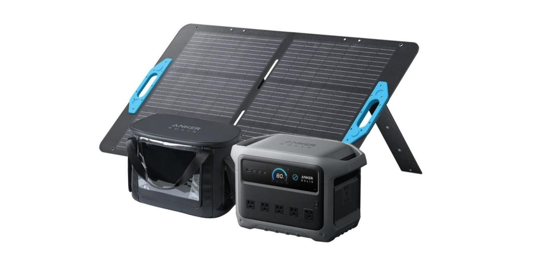
Using a solar generator transforms how people think about energy, structure their daily routines, and prepare for uncertain scenarios. Instead of relying entirely on the grid, users begin to build hybrid energy strategies that involve solar production, stored power, and intentional consumption patterns. A system like the Anker SOLIX F2000 Solar Generator + 400W Solar Panel shows how renewable power shifts users toward more thoughtful planning. Its dependable output, smart monitoring, and strong solar input encourage people to rethink when, where, and how they use electricity. As a result, energy planning evolves from passive consumption to active management shaped by flexibility, sustainability, and resilience.
How a Solar Generator Reshapes Day-to-Day Energy Decisions?
Daily Routines Adjust Around Solar Availability
Once users begin producing their own energy, they naturally adapt their habits to maximize solar charging potential. Daylight hours become the best time to run power-hungry appliances, recharge electronics, or use tools. This shift helps users stretch stored battery capacity into the evening while keeping the system efficient. With the Anker SOLIX F2000 Solar Generator + 400W Solar Panel, strong solar input supports quick recharging during bright conditions, encouraging users to plan tasks that align with natural energy cycles. This change leads to more deliberate energy choices rooted in resource awareness. Over time, users find their routines becoming more structured, predictable, and aligned with renewable energy rhythms.
Energy Consumption Becomes More Transparent and Controlled
Traditional grid power hides consumption patterns. Users rarely know how much energy they use hourly or what tasks drain the most power. solar generators introduce real-time monitoring that reshapes awareness. Through the smart app of the Anker SOLIX F2000 Solar Generator + 400W Solar Panel, users see battery levels, charging speed, output levels, and estimated runtime. This visibility makes energy planning precise. People learn to budget power for the day, avoid running multiple heavy appliances simultaneously, and anticipate when to recharge. Planning becomes proactive instead of reactive. This clarity also reduces waste because users become more intentional about switching devices off or shifting usage to more efficient windows.
Backup Planning Evolves Into Resource Strategy
Before using renewable systems, backup planning often involves simply having a generator ready for emergencies. Solar technology expands this mindset. Stored energy becomes a strategic asset that homeowners manage daily, weekly, and seasonally. With the Anker SOLIX F2000 Solar Generator + 400W Solar Panel providing reliable 2048Wh capacity and strong output, users start to see backup energy as part of normal operations rather than a last-resort solution. They store power ahead of storms, maintain reserves during travel, and create layered plans for outages. The generator transitions from emergency equipment to a core planning tool that supports continuity and comfort across unpredictable scenarios.
How Solar Generators Influence Long-Term Energy Strategies?
Users Shift Toward Partial or Full Energy Independence
Solar generators lay the foundation for energy independence by reducing reliance on the grid. Users recognize how much of their daily life can run on renewable power when paired with efficient planning. The Anker SOLIX F2000 Solar Generator + 400W Solar Panel offers strong AC output and multi-device capability, showing users that large appliances and tools can operate reliably without grid electricity. As confidence grows, people begin expanding their energy strategy. Some invest in additional solar panels. Others adopt expansion batteries for extended autonomy. The generator becomes a stepping stone toward minimizing monthly bills and preparing for self-sufficient living, whether in a home, RV, or remote cabin.
See also: How Technology Is Transforming the Entertainment Industry
Seasonal and Weather-Based Strategies Become Part of Planning
Solar energy is abundant but variable. Users quickly learn how seasons, weather, panel placement, and daylight duration influence production. This knowledge encourages more nuanced planning. People may store extra energy during sunny weeks, reduce consumption during cloudy periods, or adjust panel angles for optimal capture. The Anker SOLIX F2000 Solar Generator + 400W Solar Panel helps support these strategic adjustments by offering fast solar input recovery and stable storage. This creates a planning cycle driven by observation and adaptation. Users become more attuned to natural patterns, which strengthens long-term efficiency and reduces unnecessary reliance on external electricity.
Household Systems Are Organized Around Power Priority
Solar-powered living encourages users to categorize appliances based on necessity, consumption, and runtime. They create energy priority lists that help them manage stored power effectively. Essential loads—such as refrigerators, communication devices, and lighting—take priority, while discretionary loads shift to high-sunlight periods. The Anker SOLIX F2000 Solar Generator + 400W Solar Panel supports these decisions by powering high-demand appliances simultaneously and offering enough capacity to keep essentials running. This reorganized view of appliance use improves household resilience. It builds habits that support sustainable living and ensure readiness for outages, travel, or off-grid experiences. With better priority management, power planning becomes structured and dependable.
Conclusion
Using a solar generator transforms energy planning by shifting users from passive grid dependence to active, informed management. Daily routines begin aligning with solar availability, energy use becomes visible and controlled, and backup power turns into a strategic resource. Systems like the Anker SOLIX F2000 Solar Generator + 400W Solar Panel encourage people to adopt broader strategies involving energy independence, seasonal planning, and power prioritization. As users learn to manage their own production and storage, they develop long-term habits that reduce waste, improve resilience, and support sustainable living. Over time, this shift redefines energy planning as an adaptable, thoughtful process shaped by renewable technology and personal responsibility.