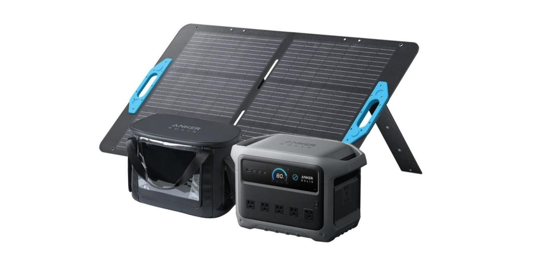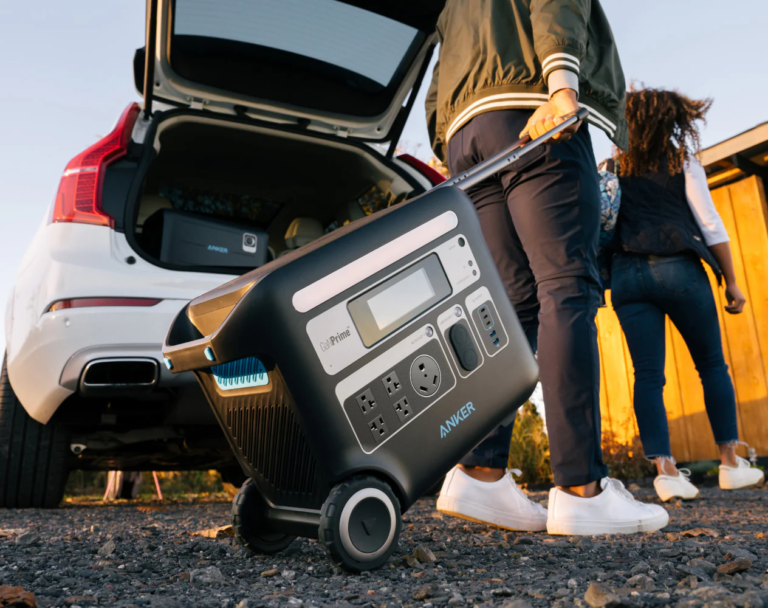
A well-installed solar generator assures safe operation and consistent performance. Many people purchase a system but forget critical installation procedures that impact charging speed and long-term reliability. Proper positioning, suitable solar panels, and secure electrical connections are all important considerations. Unlike fuel generators, solar generators rely on panel placement and input restrictions rather than ventilation or fuel storage. A thorough setup procedure eliminates overload, voltage mismatch, and excessive battery wear. This article outlines everything you’ll need before installation, as well as how to connect, operate, and maintain your solar generator so it produces electricity consistently.
What Do You Need Before Setting Up a Solar Generator?
Choosing the Right Location and Surface
Begin by choosing a solid, dry, and well-ventilated location for your solar generator. To prevent tipping or vibration while in operation, place the device on a level surface. Avoid regions with standing water, thick dust, or direct rain unless the system has a high weather-resistance rating. Keep the generator shaded to avoid heat accumulation, particularly during the summer months. Meanwhile, place solar panels in straight sunshine with no obstructions from trees, buildings, or automobiles. Even moderate darkness can drastically limit performance. Secure installation keeps the wind out and protects wires. Choosing the correct atmosphere boosts efficiency and increases equipment longevity.
Matching Solar Panels to Generator Input Specs
Examine the generator’s maximum solar input wattage and supported voltage range prior to adding panels. These criteria are explicitly listed by manufacturers in the user handbook. Choose panels whose total output remains within these ranges. Overvoltage ratings have the potential to cause internal component damage or initiate an automated shutdown. Undersized panels prolong recharge times and decrease charging efficiency. Although many systems use MPPT controllers to maximize power conversion, suitable input is still needed. Verify if panels require adapters or MC4 connections. Consistent performance and safe charging are guaranteed by matching electrical requirements. Selecting the right panels increases solar energy capture and avoids expensive errors.
Checking Cables, Connectors, and Safety Requirements
Before you begin installation, inspect all wires and connections. To avoid power drops or overheating, use only manufacturer-approved cords. To avoid loose contact, ensure that the connections fit firmly and are locked into place. Damaged or low-quality cables increase resistance while decreasing charging efficiency. When connecting DC inputs, ensure that the polarities are aligned. Reversed polarity can activate protective mechanisms and create failures. Keep wires tidy and away from high-traffic areas to avoid tripping or inadvertent disconnections. Follow the grounding guidelines as directed by the system design. Reviewing safety recommendations prior to turning on the unit decreases risk and protects both the generator and the connected devices.
How Do You Install and Start Using a Solar Generator?
Connecting Solar Panels and Verifying Input Power
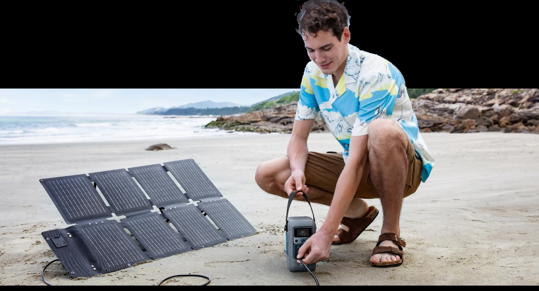
Begin installation by positioning solar panels in direct sunlight and firmly fastening them. Connect the panels’ output wires to the generator’s solar input port. Ensure that the connections click securely into place. Once connected, start the generator and watch the display screen. Verify that the input wattage shows and falls within the intended range. If no input is shown, double-check your cable connections and panel alignment. To get the most out of sunshine, adjust the panel angle. Some systems allow for real-time performance tracking via mobile apps. Before connecting appliances, confirm that the input is steady. Proper verification guarantees that the charging procedure is secure and efficient from the beginning.
See also: How Technology Is Transforming the Entertainment Industry
Powering Appliances Safely and Managing Load
After confirming solar input, connect appliances gradually rather than all at once. Start with lower-wattage devices and monitor total load on the display screen. Ensure combined wattage stays below the inverter’s continuous output rating, and check current readings shown in units amps if the display provides them. Remember that appliances with motors may draw higher surge power during startup. If the system shuts down, lower the load and restart cautiously. Avoid plugging in high-demand equipment over its rated capacity. To successfully control energy consumption, spread out your usage throughout the day. Responsible load management protects both the inverter and the battery. Safe operating behaviors increase system longevity and maintain consistent performance in regular use.
Routine Inspection, Maintenance, and Storage Tips
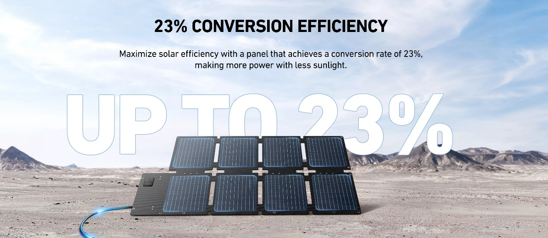
Regular inspection ensures that the solar generator operates efficiently. Inspect cables, connections, and panel surfaces for wear and dirt. Cleaning solar panels on a regular basis helps to eliminate dust and enhance light absorption. Keep an eye on the battery level and avoid letting the item completely depleted for long periods of time. When not in use, store the generator in a dry, moderate-temperature area. To ensure the battery’s health, keep it partially charged while not in use. If your machine enables software monitoring, check for firmware upgrades. Scheduled maintenance prevents unexpected breakdowns and increases equipment longevity. Consistent maintenance guarantees dependable electricity whenever you need it.
Conclusion
Proper design and installation lay the groundwork for dependable solar generator performance. Choosing the correct position, matching solar panel specs, and employing secure connections all help to avoid technical complications. Careful installation guarantees consistent charging and protects internal components. Once operating, proper load management and frequent inspections ensure efficiency and safety. Solar generators provide convenient and clean electricity, but they require careful design and maintenance. Users may increase output and extend the lifespan of their systems by following explicit installation guidelines and constantly checking performance. A well-placed solar generator provides consistent electricity for camping, home backup, and off-grid applications with little hassle.