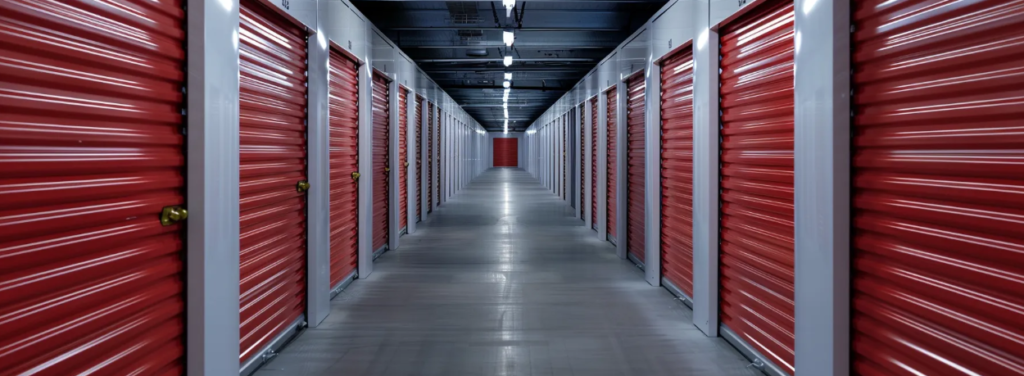
When it comes to storing personal belongings, important documents, or extra inventory for your business, finding the right storage unit is crucial. It’s not just about the space; it’s about the safety, accessibility, and conditions your items will be kept in. Whether you’re downsizing, relocating, or simply trying to declutter your home, a storage unit can provide the extra space you need. Keep reading as we guide you through the process of choosing the perfect storage solution for your specific needs.
Understanding Different Types of Storage Units and Their Purposes
Storage units come in different shapes and sizes to fit a variety of needs. Traditional units work well for household items and furniture, while vehicle storage protects cars, RVs, or boats. Portable storage containers offer the convenience of packing at your own pace and having the unit moved to your location. Climate-controlled units are ideal for sensitive items like electronics or antiques, and drive-up units make it easy to store heavy or bulky items. Some facilities even offer specialized storage for wine or important documents.
Lease terms and location also play a key role in choosing the right unit. Month-to-month leases work well for short-term needs, while longer commitments often come with discounts. Facilities closer to home offer convenience, but units further away, including cheap storage units, may provide more affordable options if you don’t need frequent access. Considering your storage goals, budget, and access needs will help you pick the best fit.
Assessing Your Storage Needs: Size, Duration, and Accessibility
Before choosing a storage unit, it’s essential to evaluate the size and quantity of items to avoid cramped spaces or paying for excess room. Size estimators or consultations with facility representatives can help determine the right unit. Duration of storage also affects priorities: short-term renters may focus on location and accessibility, while long-term users should weigh cost efficiency and security, considering contract terms and cancellation policies.
Accessibility is important, including facility hours, ease of moving items, and available assistance such as carts or elevators. The unit’s location within the facility matters as well, with ground-level, drive-up units offering convenience but often at a higher cost compared to upper-level options.
Security Measures to Consider When Selecting a Storage Unit
When selecting a storage facility, security should be a top priority. Look for comprehensive measures such as video surveillance, gated access, and individual unit alarms, and consider visiting the site to assess these features firsthand. High-quality, tamper-resistant locks provide an extra layer of protection, and storage insurance can safeguard belongings against theft, fire, or floods.
On-site staff can deter intruders and offer immediate assistance, while regular facility maintenance helps prevent issues like pest infestations. Inquiring about the facility’s history of security breaches or problems can reveal its reliability, and a reputable company will demonstrate transparency and a commitment to continuously enhancing security measures to protect customers’ possessions.
See also: Do You Need a Lead Generation Service or a Lead Gen Agency?
Climate Control in Storage Units: Is It Necessary for Your Items?
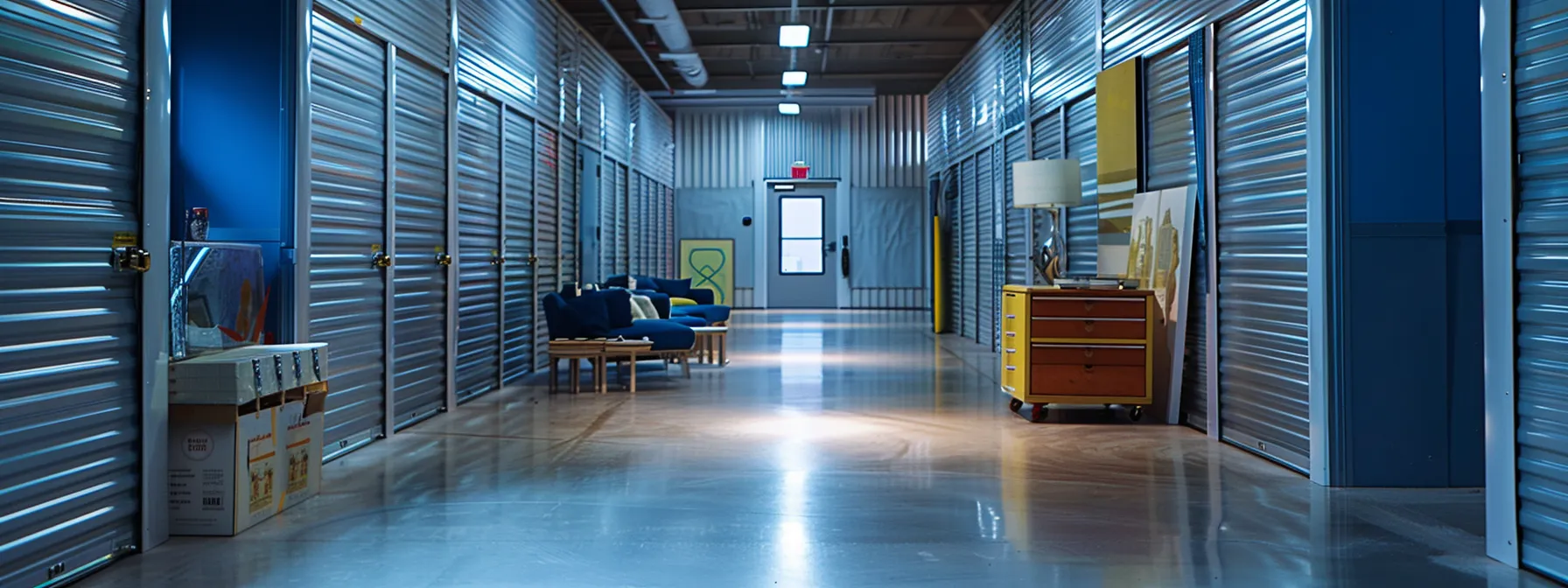
Climate-controlled storage units are essential for items sensitive to temperature fluctuations or humidity, such as wooden furniture, leather, artwork, and electronics, as they prevent warping, mold, and other damage. These units maintain stable temperature and humidity levels, helping preserve possessions over time. In regions with extreme temperatures or high humidity, climate control becomes a practical investment, even for less sensitive items, protecting them from long-term wear and costly replacements.
While climate-controlled units may come at a higher rental cost, evaluating the potential damage to belongings against this expense often shows it is worthwhile. Consulting storage professionals can provide guidance on the best conditions for specific items.
Comparing Costs and Evaluating Contracts for Storage Units
When choosing a storage unit, cost comparison involves more than just the monthly rental rate. Consider potential extra fees such as deposits, administrative charges, or mandatory insurance, and look for discounts or promotions that can reduce expenses, especially for long-term rentals. Understanding contract terms is crucial, including payment schedules, late fees, notice periods, and automatic renewal clauses, to avoid unexpected costs.
Clarify the facility’s insurance coverage and determine if additional storage insurance is needed, as homeowner policies may not fully cover off-site items. Reading reviews and seeking recommendations helps assess the facility’s reliability and quality of customer service, ensuring smooth communication and a dependable storage experience.
Overall, selecting the right storage unit is a multifaceted decision that requires consideration of factors such as type, size, accessibility, security, climate control, cost, and contract terms. By taking the time to thoroughly understand each of these elements, you can feel confident that you’re making an informed choice that keeps your belongings safe and secure for as long as you need. It’s about finding the perfect balance between convenience, security, and affordability to ensure your storage experience is as seamless and stress-free as possible.