Solar generator output is often defined by clean numbers—watts, voltage, peak load—but actual performance depends on many conditions that users only notice once they begin relying on the system. Real-world limits emerge not from a single factor but from energy availability, device demand, environmental conditions, and user habits. These influences shape how consistently and efficiently a solar generator delivers power at home, outdoors, or during grid failures. A system like the Anker SOLIX C1000 Gen 2 with its PS100 solar panel demonstrates how design, charging flexibility, and robust battery engineering help overcome many common limits while still operating within practical boundaries.
What Environmental and Technical Factors Influence Real Output?
Sunlight Intensity Determines How Much Energy a Panel Can Provide
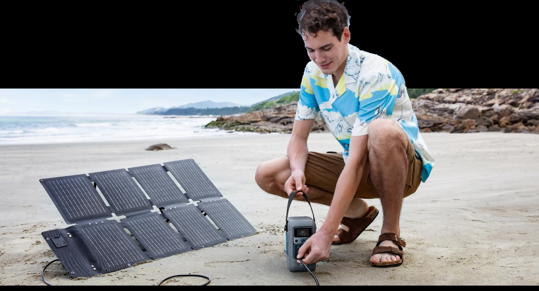
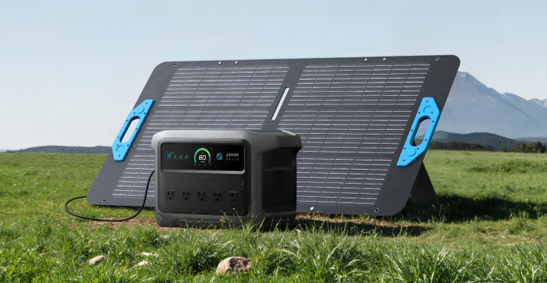
Solar energy is variable. When clouds pass, when the sun sits low on the horizon, or when dust accumulates on a panel, charging power naturally decreases. Users quickly learn that panel angle, season, time of day, and weather all influence actual output. A panel like the PS100, with up to 23% conversion efficiency, captures more sunlight under these variable conditions, but environmental realities still shape how much energy reaches the generator. This is why systems often perform differently across locations or seasons. Users adapt by repositioning panels regularly, seeking direct sunlight, or pairing multiple panels to reach faster charging speeds. Environmental limits are unavoidable, but efficient hardware greatly reduces their impact.
Device Load Drives Output More Than Most Users Expect
Many devices require more power at startup than during regular operation, and this surge can temporarily push a generator close to its limits. Appliances like mini-fridges, pumps, or cooking tools may briefly spike their wattage, which affects how consistently a generator can handle multiple loads. The C1000 Gen 2 manages this well with 2,000W output and up to 3,000W peak capacity, allowing it to support both steady and momentary surges. Still, users must understand the total draw when plugging in several devices at once. Real-world output depends heavily on how people distribute power, which devices they prioritize, and whether they run high-demand tools simultaneously. Practical load management becomes part of the daily operation.
Battery State Determines How Much Output Is Available
As a generator’s battery level decreases, users may notice output behavior shift slightly depending on load or usage pattern. High output is sustainable, but extremely low battery levels reduce available runtime for demanding devices. This is particularly noticeable when running continuous high-wattage appliances. The C1000 Gen 2’s 1,024Wh capacity gives users a buffer that minimizes this issue during short-to-medium power sessions. But understanding battery state helps users plan more effectively—especially during camping trips or grid failures. Real output is not just about the wattage the generator can supply; it’s about how long it can sustain that wattage based on the remaining charge.
How User Behavior and System Design Shape Practical Output
Charging Strategy Plays a Major Role in Performance Stability
Output limits often appear when users don’t recharge the generator frequently enough. People sometimes expect a single charge to last indefinitely for mixed use. Realistically, output remains strongest when the system stays well-charged. Fast AC recovery—like the C1000 Gen 2’s 49-minute HyperFlash recharging—helps restore energy quickly during short breaks. Solar recharging through the PS100 panel gives users independence when they stay outdoors longer than planned. Combining both modes prevents performance dips. An effective charging strategy ensures users maintain stable output regardless of where they are or how long they stay off-grid.
See also: How Technology Is Transforming the Entertainment Industry
Portability Expands Use Cases But Requires Power Awareness
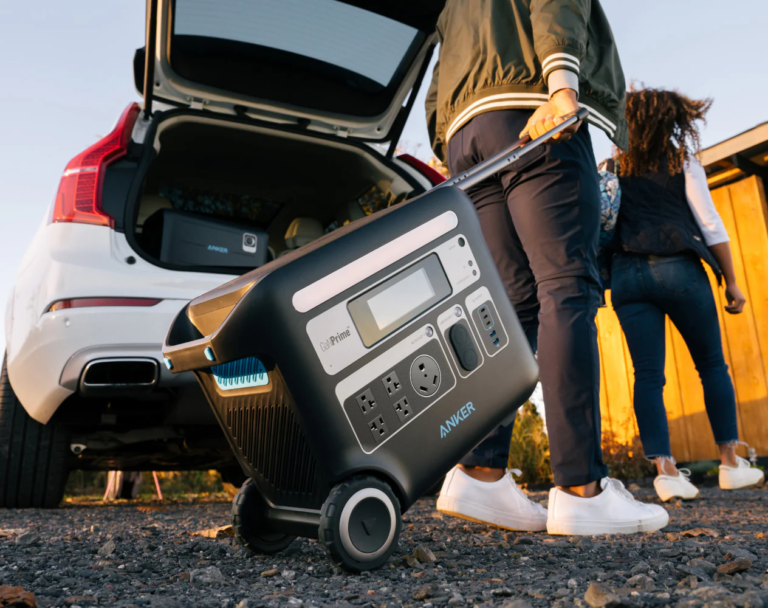
A solar generator portable system works best when users understand how mobility interacts with power demand. When people carry the generator around the house, campsite, or worksite, they tend to use it for more activities—charging tools, running entertainment gear, supporting kitchen appliances, or powering lights. This versatility increases load variety and frequency. A compact system like the C1000 Gen 2 encourages this naturally, given its 24.9-lb weight and small footprint. But expanded use means users must track consumption more closely to avoid running out unexpectedly. Portability shapes user habits, which in turn influence output patterns across the day.
Environmental Durability Ensures Output Remains Stable
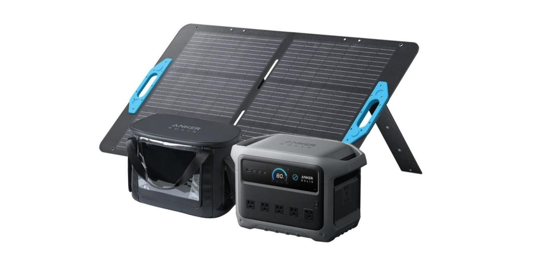
A generator’s ability to perform well outdoors affects how much output it can deliver across environments. Rain, dust, wind, and heat can reduce panel efficiency or constrain user placement. With an IP67-rated PS100 panel and a water-resistant bag included for protection, users maintain stable performance even during sudden weather changes. This level of durability reduces environmental limits, allowing the generator to provide consistent output regardless of where users travel or store their equipment. When durability aligns with energy efficiency, output becomes more predictable and usable across diverse scenarios.
Conclusion
Solar generator output depends on far more than listed wattage. Sunlight availability, device load, battery charge, user habits, durability, and charging strategy all influence real-world performance. Understanding these practical limits helps users operate their system more reliably and take full advantage of its capabilities. The Anker SOLIX C1000 Gen 2 with its PS100 panel demonstrates how thoughtful engineering—efficient solar capture, rapid AC recharging, broad port support, and long-term durability—reduces common output constraints and provides stable power in daily use, outdoor settings, and emergency conditions alike. When users understand the factors that shape output, they gain the insight to maximize performance and enjoy dependable solar power wherever they go.