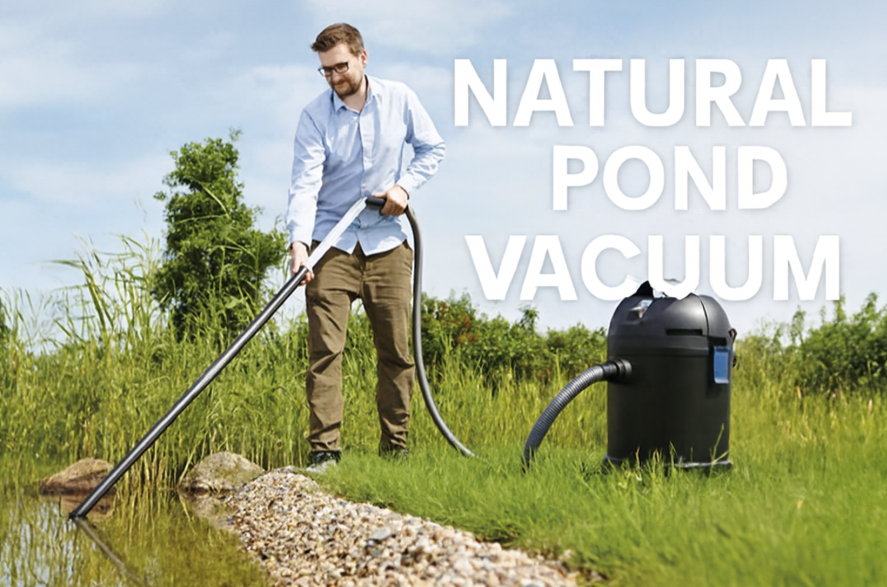
A backyard pond is more than just a beautiful visual feature; it’s a living, breathing ecosystem that supports a variety of plants, fish, and microorganisms. To keep this delicate system thriving, regular maintenance is essential to ensure its long-term health and beauty. If you’re looking for a natural and environmentally conscious way to maintain your pond, a natural pond vacuum is the perfect tool. These specialized vacuums help you remove sludge, algae, organic waste, and debris without the need for harmful chemicals, making them an eco-friendly and safe choice for maintaining a healthy pond environment. With the right natural pond vacuum, you can improve water clarity, promote better oxygen levels, and reduce the risk of unwanted algae blooms, all while preserving the natural balance of your pond. In this article, we’ll guide you through everything you need to know about natural pond vacuums from how they work and their benefits to tips on selecting the right model that best suits your pond’s size and needs.
What is a Natural Pond Vacuum?
Unlike traditional pond vacuums, which often rely on electricity or complex pumps, a natural pond vacuum uses water pressure or gravity to generate suction. These vacuums are designed to be low-impact, meaning they’re gentle on the environment and ideal for ponds that need chemical-free cleaning, such as koi ponds, wildlife ponds, and garden water features. Natural pond vacuums are available in manual and pressure-based models, and they function by physically extracting organic materials like fish waste, decaying leaves, and silt.
Why Choose a Natural Pond Vacuum?
Here are some compelling reasons to go with a natural pond vacuum for your water garden:
1. Environmentally Friendly
Chemical-based pond cleaners can disrupt the delicate balance of your pond’s ecosystem. Natural pond vacuums preserve beneficial bacteria and do not introduce harmful substances into the water, making them an eco-conscious choice for pond care.
2. Safe for Fish and Plants
The non-invasive operation of natural pond vacuums ensures that fish and plants are not stressed during cleaning. Unlike harsh chemicals, a natural vacuum works gently on the pond’s bottom, allowing your pond life to remain healthy and undisturbed.
3. Cost-Effective Maintenance
Natural pond vacuums usually do not require electricity, making them a cost-effective solution over time. With no energy costs or need for chemical treatments, you’ll save money while keeping your pond clean and balanced.
4. Improves Water Quality
By removing organic debris like sludge and decaying plant matter, a natural pond vacuum reduces ammonia and nitrate levels—both of which contribute to cloudy water and promote algae growth. Cleaner water equals a healthier pond environment for both plants and animals.
See also: Why Every Home Needs a Rug Steamer for Spotless Floors
How Do Natural Pond Vacuums Work?
There are two main types of natural pond vacuums: manual suction vacuums and hydraulic/pressure-based vacuums.
A. Manual Suction Vacuums
Manual pond vacuums are hand-operated tools that require human effort to extract debris and sludge. These are best for smaller ponds or for spot-cleaning specific areas. They are portable and typically more affordable but require a bit more effort to use.
B. Hydraulic/Pressure-Based Vacuums
These vacuums are connected to a garden hose and use water pressure to create a siphon effect. Pressure-based models are often more efficient and can handle larger debris or deeper ponds. Many of these models come with adjustable nozzles and debris collection bags for easy disposal.
Key Features to Look For:
- Telescopic handles for reaching different pond depths
- Replaceable collection bags for easy disposal of waste
- Nozzle heads designed for different surfaces (e.g., gravel or smooth)
- Flow regulators to control water suction
How to Choose the Right Natural Pond Vacuum
When selecting a natural pond vacuum, it’s important to consider the following factors:
1. Pond Size and Depth
For larger or deeper ponds, choose vacuums with longer poles and more powerful suction to ensure effective cleaning. Smaller ponds may require a more compact or manual vacuum.
2. Type of Debris
Different vacuums handle various types of debris better. Some are suited for fine silt, while others are better for larger debris like sticks or pebbles. Consider the seasonal changes in your pond and choose accordingly.
3. Maintenance Needs
Look for models that are easy to disassemble and clean. Some vacuums come with reusable filter bags that allow for long-term use with minimal effort.
4. Material and Durability
Choose vacuums made from high-quality, rust-proof materials such as aluminum or reinforced plastic. These materials ensure your vacuum lasts longer and is easier to handle.
Step-by-Step Guide to Using a Natural Pond Vacuum
Once you’ve selected the right natural pond vacuum, follow these steps to keep your pond clean and healthy:
Step 1: Prep the Pond
Start by removing large floating debris like leaves or branches using a skimmer net. This step helps the vacuum work more efficiently.
Step 2: Set Up the Vacuum
If you’re using a hydraulic model, connect the vacuum head to the pole and attach the garden hose. Ensure all parts are secure and ready to go.
Step 3: Begin Cleaning
Gently lower the vacuum to the pond bottom and move it slowly in overlapping strokes. This is similar to vacuuming a carpet—slow, deliberate movements ensure effective collection.
Step 4: Monitor Debris Collection
Check the debris bag or the collection area frequently to ensure it’s not clogging. Empty the bag when it gets full to keep the suction strong.
Step 5: Rinse and Store
Once the cleaning is complete, rinse all parts with clean water and store the vacuum in a dry, shaded area to prevent damage.
Common Mistakes to Avoid
Even with a natural pond vacuum, there are a few mistakes that could compromise your pond’s health:
- Vacuuming too quickly: Rushing through the process can stir up debris instead of collecting it.
- Neglecting the filter: Regularly clean or change the filter bag to maintain optimal performance.
- Vacuuming during spawning season: Avoid vacuuming when fish are breeding, as it can cause unnecessary stress or disrupt egg laying.
- Skipping the edges: Don’t forget the shallow zones where algae and sludge tend to accumulate most quickly.
Complementing Natural Pond Vacuums with Other Eco-Friendly Tools
To maintain a balanced pond ecosystem, consider supplementing your natural pond vacuum with other eco-friendly tools:
1. Beneficial Bacteria Treatments
Introduce biological additives to help break down organic waste naturally, reducing the amount of debris in the water.
2. Skimmers and Netting
Prevent debris from entering the pond in the first place with surface skimmers and protective netting. This can significantly reduce the amount of cleaning needed.
3. Aquatic Plants
Oxygenating plants like water lilies and hornwort can help improve water quality by absorbing excess nutrients and keeping the ecosystem in balance.
Who Should Use a Natural Pond Vacuum?
Natural pond vacuums are ideal for:
- Homeowners with garden ponds who want to keep their water clean without chemicals.
- Koi or goldfish pond keepers who need to maintain a healthy environment for their fish.
- Eco-conscious landscapers who prioritize natural pond care.
- Wildlife pond maintainers looking to reduce maintenance impact on the ecosystem.
- Permaculture and natural habitat designers who favor sustainable landscaping methods.
No matter what type of pond you have, a natural vacuum provides a low-maintenance, chemical-free solution for keeping your pond clear and healthy.
Final Thoughts
A natural pond vacuum is more than just a cleaning tool; it’s a sustainable choice that reflects your commitment to eco-friendly pond care. These vacuums are efficient, easy to use, and gentle on your pond’s delicate ecosystem. Whether you’re a hobbyist or a seasoned pond owner, using a natural vacuum will help you maintain clear water, healthier fish, and a thriving pond environment.
Frequently Asked Questions (FAQs)
Q1. Is a natural pond vacuum suitable for a koi pond?
Yes, natural pond vacuums are safe for koi ponds and won’t disturb the fish or their habitat.
Q2. How often should I vacuum my pond?
Vacuuming once every 2–4 weeks during the active season (spring to fall) is ideal. Ponds with a high fish load or dense plant life may need more frequent cleaning.
Q3. Can I build my own natural pond vacuum?
Yes, many pond owners create DIY versions using PVC pipes and hose fittings. Just ensure the vacuum provides adequate suction and filters debris safely.
Q4. Do I need to drain my pond to use a natural vacuum?
No, one of the key advantages of a natural pond vacuum is that it works underwater without the need to drain the pond.
Q5. Are there any limitations to using a natural pond vacuum?
Natural pond vacuums might not be suitable for very large or neglected ponds. In these cases, consider periodic professional cleaning along with vacuuming.