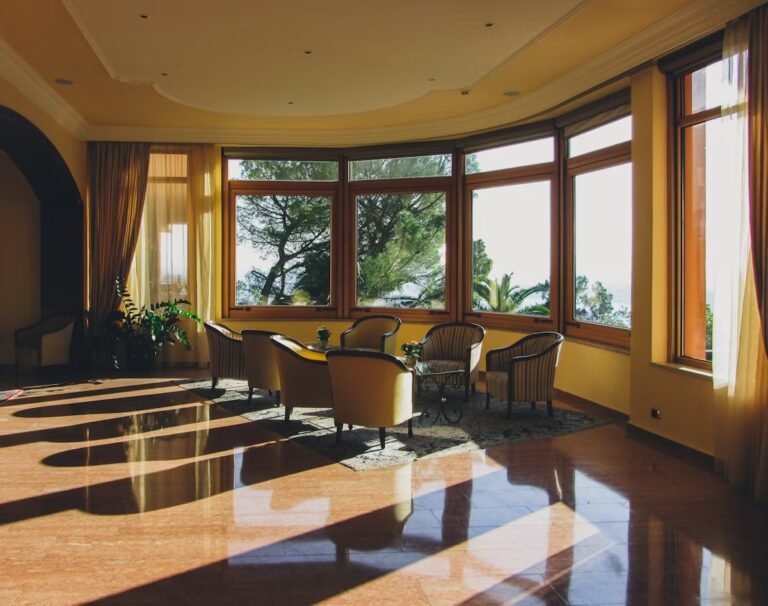
The interior design industry has witnessed remarkable growth over the past decade, transforming the way we experience our homes and commercial spaces. Beyond mere aesthetics, interior design now focuses on functionality, sustainability, and creating environments that reflect personal or brand identity. From luxury apartments to corporate offices, the role of design has become increasingly strategic, influencing productivity, well-being, and lifestyle. Among the key services in the sector, partnering with an interior design house has become a popular choice for individuals and businesses seeking professional expertise to bring their visions to life.
This article explores how interior design has evolved, the benefits of professional guidance, and the latest trends shaping the industry today.
The Evolution of Interior Design
Interior design is no longer limited to selecting furniture or color schemes. Today, it encompasses a holistic approach that considers ergonomics, spatial planning, lighting, acoustics, and even environmental sustainability.
From Decoration to Strategic Design
Historically, interior design focused on decorative elements—choosing fabrics, wallpapers, and furniture to create visually appealing spaces. While aesthetics remain important, modern interior design emphasizes functionality, efficiency, and the emotional impact of a space. For instance, a well-planned living room or office can enhance comfort, improve workflow, and promote relaxation.
Technology Integration in Design
Digital tools have revolutionized the interior design process. Software like CAD, 3D modeling, and virtual reality allow designers to visualize spaces before implementation. Clients can experience realistic renderings, experiment with interior design house layouts, and make informed decisions about materials and finishes. Interior design houses increasingly leverage these technologies to ensure projects are executed accurately and efficiently.
Benefits of Working with an Interior Design House
Collaborating with a professional interior design house provides multiple advantages, especially for clients with complex or large-scale projects.
Expertise and Experience
Interior design houses employ skilled professionals who bring a wealth of experience in material selection, spatial planning, and project management. They understand how to balance aesthetics with functionality, ensuring that spaces are not only beautiful but also practical and durable.
Customization and Personalization
One of the greatest benefits of working with an interior design house is the ability to create customized spaces tailored to individual preferences. Designers assess client needs, lifestyle, and brand identity to craft spaces that reflect personal style while optimizing layout and flow. For example, a home designed for a family with young children may prioritize storage solutions and safe materials, while a corporate office may focus on collaborative workspaces and productivity-enhancing design.
Efficient Project Management
Managing an interior design project involves coordinating with contractors, sourcing materials, and adhering to budgets and timelines. Interior design houses provide comprehensive project management, ensuring smooth communication between all parties and minimizing potential delays or cost overruns.
Key Trends in Interior Design
The interior design industry continuously evolves, driven by lifestyle changes, technological advancements, and cultural influences. Here are some trends shaping modern spaces today.
See also: Why Every Home Needs a Rug Steamer for Spotless Floors
Sustainable and Eco-Friendly Design
Sustainability has become a major focus in interior design. Designers prioritize eco-friendly materials, energy-efficient lighting, and sustainable construction practices. This includes using recycled or responsibly sourced materials, incorporating indoor plants for air quality, and selecting furniture with low environmental impact. Interior design houses are increasingly emphasizing sustainability as both a design principle and a market differentiator.
Minimalism and Functional Spaces
Minimalism continues to influence contemporary interiors, emphasizing simplicity, clean lines, and decluttered spaces. Functional design solutions, such as modular furniture and multi-purpose rooms, maximize the usability of limited space. Minimalist interiors not only look elegant but also promote calmness and reduce visual stress, making them suitable for both residential and commercial environments.
Smart Home Integration
Technology is reshaping the way interiors are designed. Smart home devices, automated lighting, climate control, and security systems are seamlessly integrated into the design process. Interior design houses often collaborate with technology consultants to ensure that these systems enhance convenience and efficiency without compromising aesthetic appeal.
Biophilic Design
Biophilic design, which incorporates natural elements into interiors, is gaining popularity. Natural light, plant walls, wooden textures, and water features create a sense of connection to nature, enhancing well-being and productivity. This trend is particularly prominent in corporate office spaces and wellness-focused residential projects.
The Role of Spatial Planning
Efficient spatial planning is central to interior design. Designers consider traffic flow, accessibility, and ergonomics to create spaces that are comfortable and practical. For example, in a residential project, careful planning ensures that kitchens, living areas, and bedrooms are logically arranged for daily activities. In commercial settings, spatial planning improves workflow, safety, and collaboration among employees.
Lighting and Acoustics
Lighting and acoustics are often overlooked but are critical elements of effective interior design. Proper lighting enhances mood, highlights key features, and supports productivity. Acoustic planning reduces noise pollution, improving comfort in open-plan offices or communal living spaces. Interior design houses incorporate these technical aspects into the design strategy, creating cohesive and functional environments.
Transforming Commercial Spaces
Interior design is equally important for businesses seeking to enhance their brand image. A well-designed office, retail space, or hospitality environment can influence client perception, employee satisfaction, and operational efficiency.
Brand Identity and Experience
Corporate clients often work with interior design houses to create spaces that reflect their brand values and culture. For example, a tech startup may opt for modern, collaborative workspaces with vibrant colors and open layouts, while a law firm may favor a classic, professional aesthetic that conveys reliability and trust.
Enhancing Productivity and Comfort
In workplaces, interior design contributes to productivity, engagement, and employee well-being. Comfortable furniture, strategic layouts, and access to natural light can reduce fatigue and enhance performance. Interior design houses apply research-based design principles to achieve these outcomes effectively.
Conclusion
The interior design industry has evolved into a sophisticated field that blends creativity, functionality, technology, and sustainability. Partnering with an interior design house provides clients with expertise, project management, and customized solutions that transform ordinary spaces into environments that reflect style, identity, and purpose.
From residential homes to commercial offices, modern interior design focuses on well-being, efficiency, and aesthetic appeal. By embracing emerging trends such as sustainable materials, smart technology, minimalism, and biophilic elements, interior design houses are shaping the way we experience spaces in the 21st century.
Ultimately, the role of an interior design house extends beyond decoration—it involves crafting environments that enhance life, work, and interaction, making every space purposeful, comfortable, and visually inspiring.