Qi2 chargers represent a thoughtful step forward in wireless charging efficiency. Energy loss has always been one of the quiet challenges of wireless charging. When power transfers through the air instead of a cable, small inefficiencies add up. Qi2 addresses this problem not by forcing higher output, but by improving how energy moves from charger to phone. It focuses on precision, communication, and stability. These changes affect how much power actually reaches the battery and how much turns into wasted heat. Understanding how Qi2 chargers reduce energy loss helps explain why this new standard feels more refined and intentional in everyday use.
How Qi2 Improves Power Transfer Efficiency
Magnetic Alignment Reduces Wasted Energy
Qi2 chargers reduce energy loss by improving alignment between the charger and the device. Misalignment causes power leakage because the charging coils do not line up correctly. Qi2 introduces a magnetic alignment system that guides the phone into the optimal position automatically. Users no longer guess where to place the device. The charger and phone settle into the most efficient charging zone. This precision allows more energy to transfer directly into the battery. Less energy escapes as heat. Over time, this alignment-focused design improves overall charging efficiency and makes wireless charging feel more controlled and predictable.
More Direct Energy Flow Between Coils
Wireless charging works through electromagnetic induction. Any gap, shift, or mismatch between coils increases resistance. Qi2 chargers focus on tightening this interaction. By standardizing coil placement and alignment behavior, Qi2 reduces the distance and inconsistency between transmitter and receiver. Energy travels a more direct path. This design lowers resistance and minimizes conversion loss. Users may not see this process, but they feel its effects. Charging sessions feel steadier. Devices warm less during use. Qi2 does not rely on brute force. It relies on cleaner energy flow that respects the physics of wireless transfer.
Consistent Positioning Prevents Repeated Power Adjustments
When a phone shifts on a traditional wireless charger, the system constantly adjusts output to maintain charging. These micro-adjustments waste energy. Qi2 reduces this issue by holding the device in a stable position. The charger does not need to compensate for movement as often. Power delivery stays consistent instead of fluctuating. This stability improves efficiency throughout the session. Users benefit because charging continues smoothly even during light interaction. Consistent positioning reduces invisible energy loss that occurs during repeated recalibration cycles in older wireless charging setups.
How Qi2 Manages Energy More Intelligently
Smarter Communication Between Charger And Device
Qi2 chargers improve efficiency by enabling clearer communication between the charger and the device. The charger understands when the device needs more power and when it needs less. This understanding prevents unnecessary energy output. The system adjusts power delivery dynamically based on real charging conditions. Instead of pushing energy constantly, the charger responds to actual demand. This approach reduces waste and limits excess heat generation. Smarter communication also supports smoother charging curves. Energy flows where it is needed, when it is needed, and not beyond that point.
See also: How Technology Is Shaping the Future of Mobility
Better Thermal Control Reduces Loss As Heat
Heat is one of the main signs of energy loss. Qi2 chargers address this by improving thermal behavior during charging. Better alignment and controlled power output reduce excess heat from the start. The charger does not need to overcompensate for inefficiencies. Lower heat means less energy dissipates into the environment. It also helps maintain stable charging conditions. Users notice devices staying cooler during longer sessions. Efficient thermal control protects both the charger and the phone while ensuring more energy reaches the battery instead of escaping as warmth.
Optimized Charging Cycles Improve Overall Efficiency
Qi2 focuses on how charging progresses over time. The system manages power delivery in stages rather than treating charging as a single continuous push. Early stages receive appropriate energy, while later stages taper naturally. This approach avoids over-delivery when the battery no longer benefits from high input. Energy use becomes more precise. Over a full charging cycle, these small optimizations add up. Less energy goes unused. Qi2 chargers quietly improve efficiency not through speed alone, but through better timing and control.
Conclusion
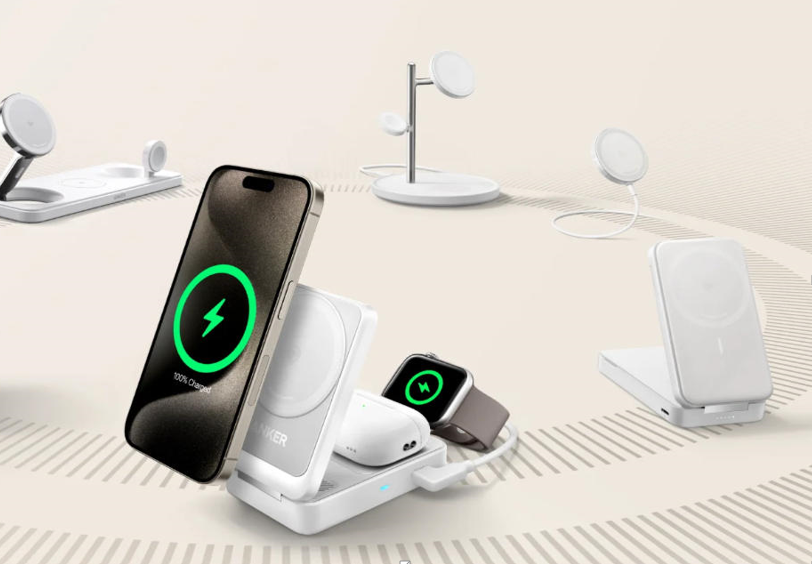
Qi2 chargers reduce energy loss by refining how wireless charging works at its core. Magnetic alignment ensures precise coil positioning, allowing energy to flow more directly. Stable placement reduces constant power adjustments. Smarter communication helps chargers deliver only the energy devices actually need. Improved thermal control limits heat-related waste. A qi2 wireless charger reflects this shift toward precision rather than excess. For example, the Anker embrace these principles by focusing on reliable, efficient charging experiences. Qi2 shows that meaningful energy savings come from better design choices, not louder specifications.