Charging your device in a café, at an airport, or on a train platform feels convenient, but these shared environments often raise questions about safety, privacy, and device protection. People want to stay connected without exposing their data or damaging their devices. Public charging stations can be helpful when your battery runs low, but not all outlets and ports are created equal. Understanding how to protect your device, how to avoid unnecessary risks, and how to choose safer charging tools helps you move through public spaces with confidence. This guide explores practical steps that keep your devices powered while maintaining safety and control.
Smart Habits That Keep Your Devices Safe
Use Only Trusted Power Sources
You protect your device best when you choose outlets that you can trust. Public ports built into tables, station kiosks, or airport walls sometimes show wear, loose connections, or signs of frequent use. These conditions may lead to unstable power delivery or unreliable charging quality. When you rely only on stable outlets or your own portable charger, you reduce the risk of faulty voltage or inconsistent current output. You also avoid uncertainty because you stay in control of the charging setup. Many frequent travelers carry a compact charger for this reason—they want predictable performance rather than depending on whatever port they find.
Avoid Data-Enabled Ports and Unknown Connectors
Some public charging points use USB ports instead of standard outlets. These USB ports can sometimes allow limited data communication through the cable. That is why people often prefer to use a wall outlet with their own adapter. When you avoid unknown ports, you lower the chance of unwanted data exchange or unexpected pop-ups that appear when your device links with a foreign system. Using your own cable also adds an extra layer of control because you know exactly where it has been and how it behaves. This simple choice keeps your charging routine clean and intentional.
Bring a Reliable Charger That You Control
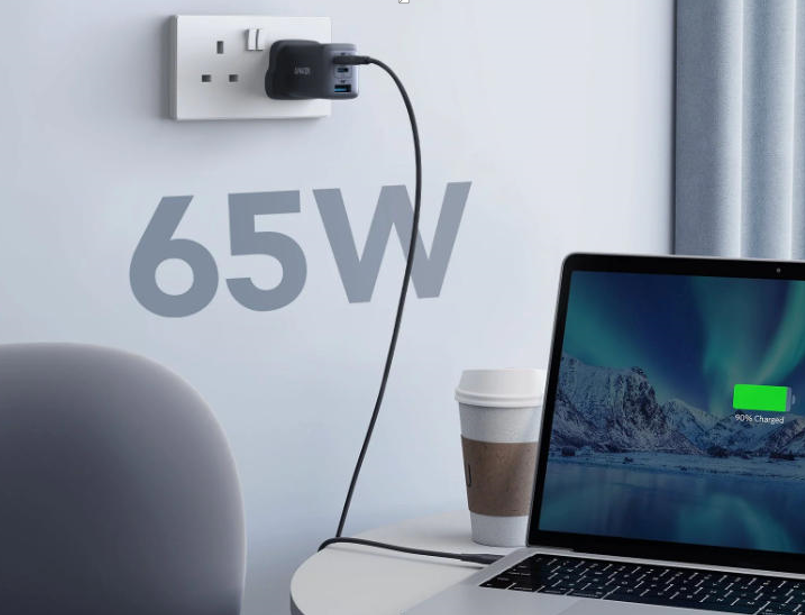
When you carry a charger you trust, you bypass the uncertainty of public setups. A charger that performs consistently helps your device receive stable power even when the surrounding environment is busy or unpredictable. Many travelers choose compact multi-port chargers so they can charge several devices from one outlet. A good example is the Anker 735 Charger (Nano II 65W). People appreciate it because it powers phones, tablets, and USB-C notebooks from one small device. It fits easily into a pocket or small bag, and GaN II technology helps it deliver strong performance without adding bulk. This approach is less about overselling a gadget and more about taking ownership of your charging setup wherever you go.
Practical Protection for Everyday Public Charging
Understand How to Minimize Wear on Your Devices
Public spaces can feel rushed, which makes people plug and unplug their devices frequently. This fast pace may lead to abrupt cable tension or quick disconnections. When you pay attention to how you position your device while charging, you reduce unnecessary strain. You keep your cable aligned with the port, avoid pulling it at an angle, and give your device a stable surface. These tiny habits preserve both your cable and your charging port for longer. When you use your own accessories, including your own usb charger, you also know the quality and condition of the components, which leads to more consistent performance.
See also: How Technology Is Shaping the Future of Sports
Maintain Control Over Charging Power
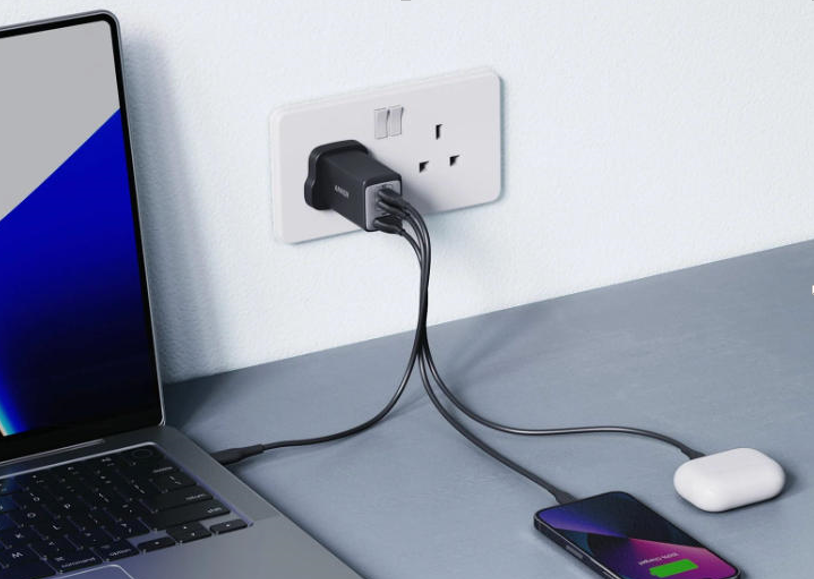
Different outlets in public spaces can behave differently. Some deliver lower power, while others fluctuate depending on how many devices share the same circuit. A charger that regulates its own output gives you better consistency. The Anker 735 Charger (Nano II 65W), for instance, distributes power efficiently when you connect multiple devices. You can charge a notebook, tablet, and phone simultaneously without needing to search for extra outlets. This steady distribution lets you walk away briefly or continue working without wondering how the outlet will behave. You maintain control because your charger handles the power management internally.
Choose Accessories That Prioritize Safety Standards
Charging safely is easier when your accessories follow modern safety requirements. A charger with built-in protection against voltage irregularities or temperature shifts gives you peace of mind in crowded public spaces. People often select chargers that conform to recognized safety standards so they can charge without second-guessing the environment. The Anker 735 Charger (Nano II 65W) follows IEC 62368-1 requirements, which reassures users that it is engineered for dependable, secure charging. This kind of design helps eliminate the unpredictability that sometimes comes with older or poorly maintained public outlets.
Conclusion
Charging safely in public spaces starts with simple habits: using your own accessories, avoiding unknown ports, and choosing charging tools that you trust. These steps help you stay in control whether you are at a café, airport, or shared workplace. Public charging is convenient, but it becomes safer when you rely on stable outlets, clean connectors, and devices that regulate power intelligently. A compact and dependable charger like the Anker 735 Charger (Nano II 65W) fits naturally into this routine because it allows you to charge multiple devices with consistency and confidence. When you combine awareness with the right tools, you stay powered up without sacrificing safety, privacy, or peace of mind.